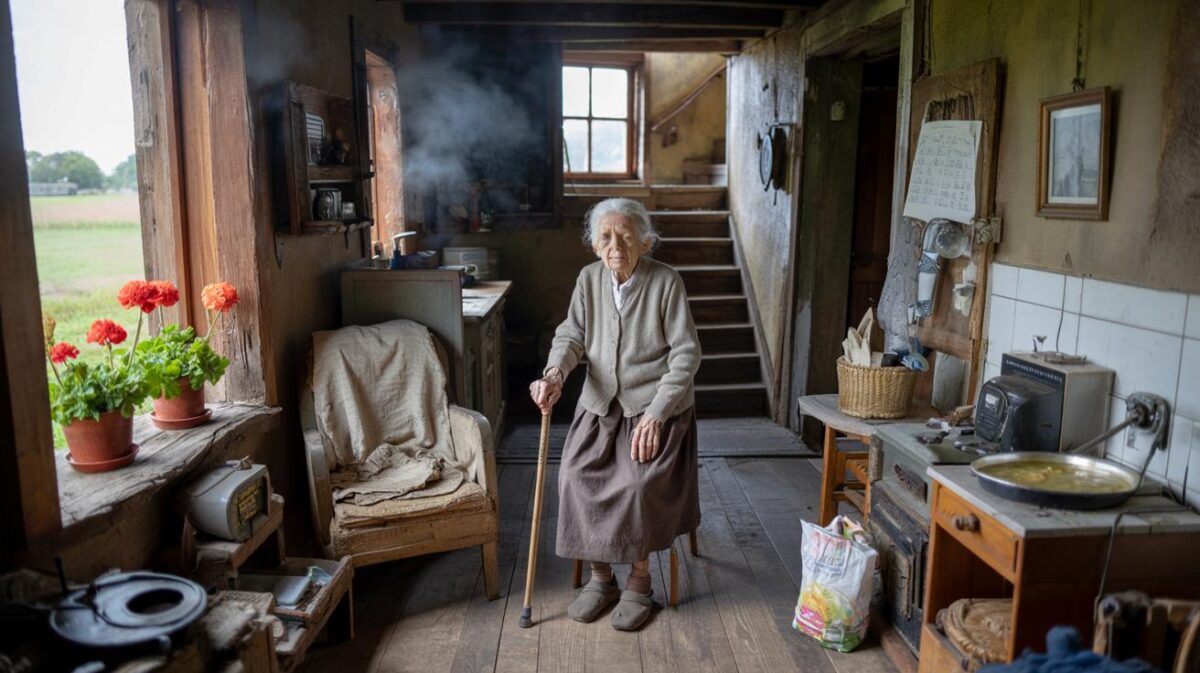
The woman in front of you at the bakery does something almost unreal. The cashier tells her the total, she nods once, then recites from memory her new code, her loyalty card number and even the date of the next promotion. No phone. No notes. No “wait, I wrote it down somewhere”. Just calm, precise answers. You almost feel your own brain shrink a little as you watch her.
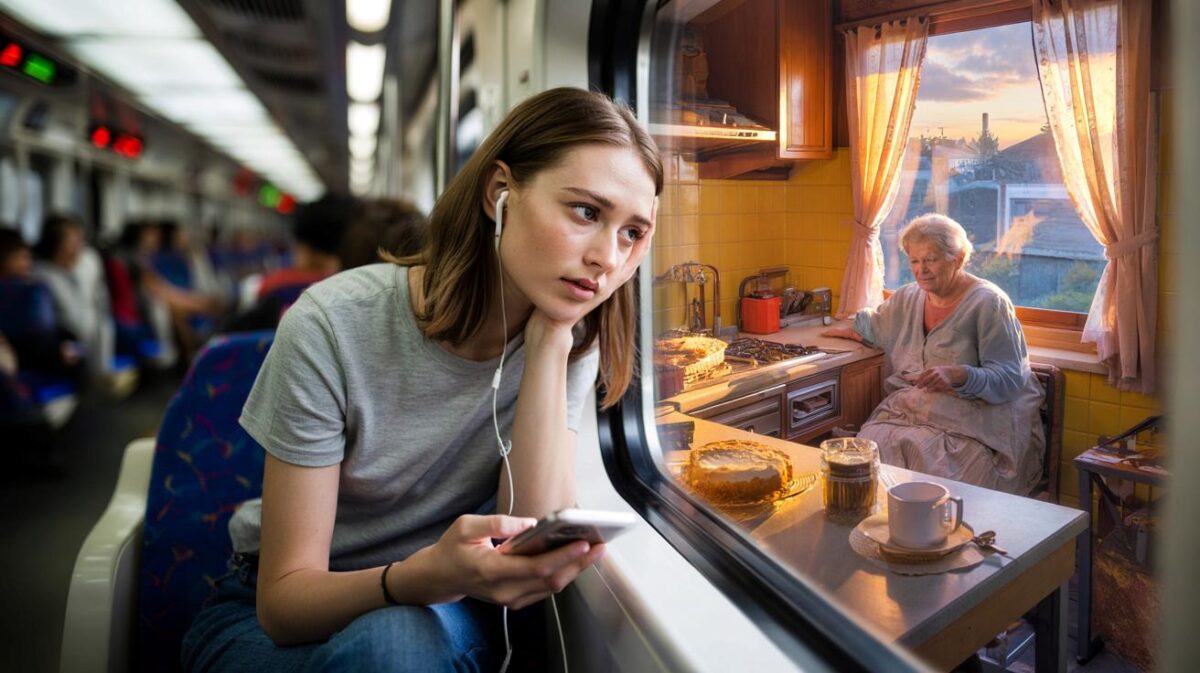
On the train that same evening, you’re trying to remember one simple thing: the name of that colleague’s partner you just met. Nothing. Blank. You scroll your messages, annoyed, feeling a bit… slow.
Some people seem born with a photographic brain.
They almost never are.
De verrassend simpele techniek achter een “goed geheugen”
Most people who remember things effortlessly use a trick that sounds almost childish. They don’t repeat the information like a robot. They don’t trust “oh, I’ll remember”. They turn every dry fact into a tiny scene, an image, a place. Their brain stops storing “data” and starts storing mini-movies.
What looks like natural talent is often just a secret habit. Once you see it, you can’t unsee it. You begin to notice how “those people” always link new info to a room, a body, a street they know by heart. They’re not smarter. They just give their memory something solid to hang on to.
Take Lisa, 31, who used to forget everything. She would walk into the supermarket with a clear list in her head and leave without half of what she needed. Then she discovered the memory palace technique almost by accident in a podcast.
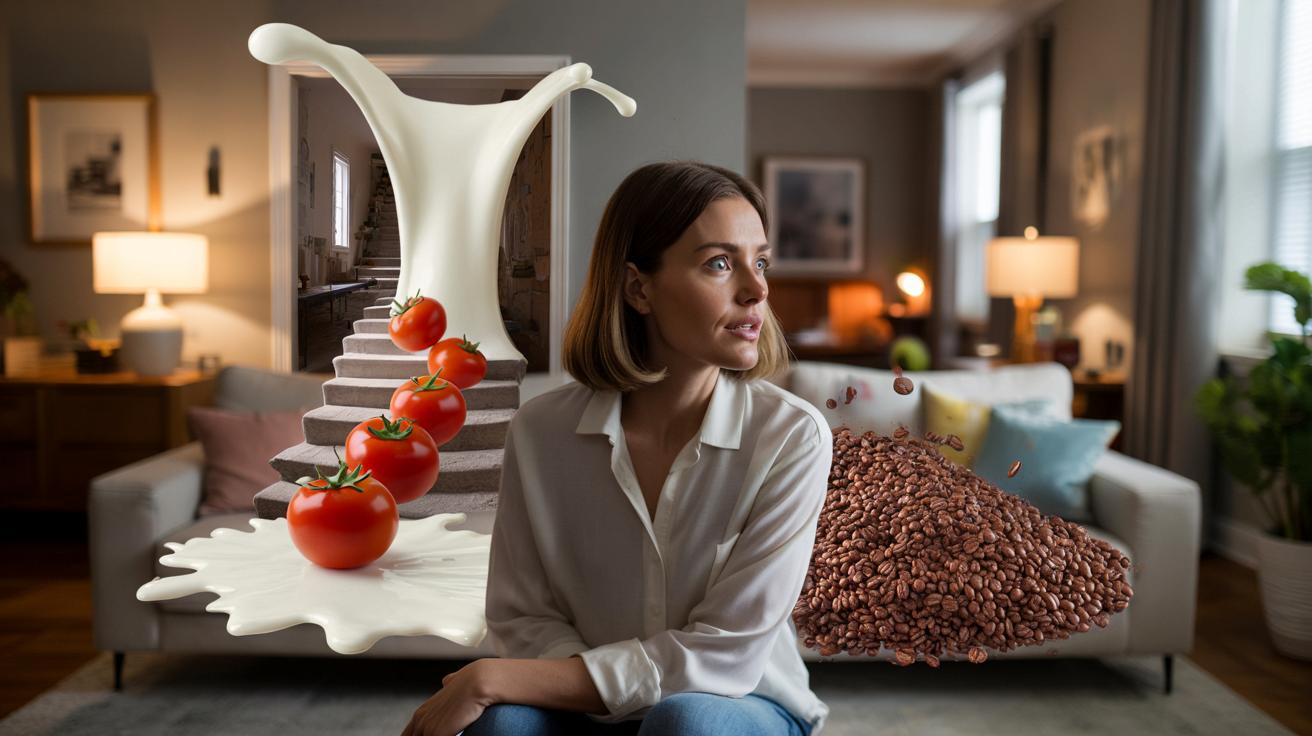
Now, when she has to remember a list, she visualises her childhood house. Milk splashing all over the hallway. Tomatoes rolling down the stairs. Coffee beans covering the sofa like tiny brown marbles. It looks ridiculous in her mind, yet she comes back with exactly what she needs. Her friends say, “You’re so organized lately”. She just smiles.
This “memory palace” method is older than our school system. Ancient speakers used it to give hour-long speeches without a single note. The brain loves places. It loves movement, colour, exaggeration. When you attach a boring detail to a specific, absurd scene in a place you know, your brain treats it like gossip, not homework.
That’s why people who remember easily don’t repeat things twenty times. They encode them once in a vivid way. The brain then replays that little movie on demand. No magic. Just design.
Hoe je zelf een geheugenpaleis bouwt
Start with a place you know so well you could walk through it in the dark. Your flat. Your parents’ house. The route from your front door to the station. This becomes the skeleton of your memory. Pick 5 to 10 “stations”: the door, the shoe rack, the kitchen table, the sofa, the sink, the bed.
➡️ Mensen die vaak aan het verleden denken hebben volgens studies één belangrijk voordeel
➡️ Koude roodborstjes in de tuin: zet dit vandaag neer en ze komen elke ochtend trouw terug
➡️ Harvard-hersenonderzoeker raadt zes dagelijkse gewoontes aan om veroudering te vertragen
Now take what you want to remember and assign each item to one station. One spot, one image. Numbers become objects. Names become characters. Concepts become weird scenes. The sillier the better. You’re not trying to be artistic. You’re trying to be unforgettable.
When you build your first memory palace, you’ll probably do too much. You’ll try to cram twenty dates, six phone numbers and three to-do lists into one tiny corridor of your brain. That’s the quickest way to feel like the method “doesn’t work for you”.
Begin small. Five items, one route. Walk through it in your head once in the morning, once in the evening. That’s it. Let’s be honest: nobody really does this every single day. Life is messy, people are tired, sometimes we just scroll instead. The trick is to come back to it often enough that your brain starts expecting images instead of blanks.
“Once I stopped blaming my ‘bad memory’ and started using images, everything changed. My brain wasn’t broken. It was just bored,” says Tom, 42, who uses a memory palace to run meetings without notes.
- Kies één vertrouwde route – Your home, your daily commute, or your office floor.
- Beperk je tot 5–10 “stations” – Door, chair, fridge, sink, desk, bed, balcony, etc.
- Maak de beelden overdreven – Too big, too loud, too strange, never normal.
- Gebruik beweging – Items exploding, dancing, falling down the stairs.
- Herhaal kort – Walk through your palace in your head a couple of times the same day.
Wat je allemaal kunt onthouden met één techniek
Once you get used to turning facts into places and pictures, daily life shifts a bit. You stop panicking when someone spells their email address too fast. You place parts of it on your body: “J” on your shoulder, “9” as a balloon tied to your wrist, “.com” as a dot bouncing on your shoe. You replay it thirty seconds later and it’s still there.
You can walk into a meeting with three talking points in your head, each one sitting in a different corner of your kitchen. You sound prepared, present, almost suspiciously professional for someone who didn’t open their laptop once.
People who remember names almost always use this without saying it. They meet “Sophie” and instantly imagine a sofa covered in tea (sofa – tea – Sophie) behind her. They meet “Jasper” and see a jasje (jacket) full of pearls. It feels silly at first, like you’re playing a private game. Then, three weeks later, you meet them again and the image hits you before the awkward “hey… you”.
We’ve all been there, that moment when you try to fake your way around a forgotten name. This tiny technique kills that social anxiety quietly in the background. No more guessing.
*The plain truth is that your memory is not a lucky-or-unlucky lottery; it’s a muscle that responds to the way you talk to it.* When you feed it grey, flat information, it zones out. When you hand it bright, specific scenes anchored in rooms and routes, it wakes up like a kid offered a storybook.
So the next time you meet someone who “never forgets a thing”, don’t shrug and call them gifted. Ask what they see in their head when they remember. Chances are, they’re walking through a palace you can build too.
| Key point | Detail | Value for the reader |
|---|---|---|
| Gebruik plaatsen | Koppel info aan bekende ruimtes en routes | Maakt droge feiten direct beter oproepbaar |
| Maak beelden absurd | Overdrijf kleur, geluid en beweging | Verhoogt de kans dat je het na dagen of weken nog weet |
| Klein beginnen | 5–10 items per geheugenpaleis | Voelt haalbaar, zodat je het echt gaat doen |
FAQ:
- Question 1Werkt een geheugenpaleis ook als ik een “slechte” verbeelding heb?Ja. Begin met simpele dingen: voorwerpen die je echt in je huis ziet staan. Hoe vaker je oefent, hoe scherper die beelden vanzelf worden.
- Question 2Hoe lang duurt het voordat deze techniek natuurlijk aanvoelt?De meeste mensen merken na één tot twee weken oefenen dat hun brein automatisch beelden gaat maken zonder er lang over na te denken.
- Question 3Kan ik deze methode gebruiken voor examens of alleen voor lijstjes?Je kunt er beide mee doen. Voor examens breek je de stof op in kernideeën en geef je elk idee een eigen plek en scène in je geheugenpaleis.
- Question 4Raakt mijn geheugenpaleis niet “vol” na een tijdje?Je kunt meerdere paleizen bouwen: huis, kantoor, route naar de sportschool. Oude informatie vervaagt vanzelf als je het niet meer nodig hebt.
- Question 5Is dit niet veel gedoe vergeleken met gewoon iets opschrijven?Opschrijven blijft handig, maar deze techniek helpt juist op momenten zónder papier of scherm. Bovendien onthoud je dingen die je visualiseert vaak veel langer.